

Reducing billing confusion to recover $52K+/month and cut billing support by ~23%
Overview
Invygo's Subscribe-to-Own (STO) product was scaling rapidly, but the post-booking experience had become a major source of friction. Immediately after booking, users frequently reached out to customer support (CX) teams for clarification around:
Billing and add-on charges
Returns and force collection
Booking confirmation and government processes
The Challenge
What looked like a usability issue had become a business risk. Gaps in clarity after booking were directly affecting revenue, operations, and support capacity.
LOST REVENUE FROM DELAYS & CANCELLATIONS
~$120K/month
SUPPORT CONTACTS AFTER BOOKING
~62%
MONTHLY SUPPORT HOURS SPENT
~10,300 hours
Billing confusion caused delays, disputes, and force collection escalations, eroding trust, because the system prioritized charging over clarity.
My Role
I led this initiative from problem to delivery, aligning teams around one clear goal → reduce confusion before payment.
Collaboration
Worked closely with Data, CX, Ops, Finance, and Engineering to understand the full impact across the business.
Clarity
Used contact data, billing trends, and support logs to clearly define the real problem.
Opportunity
Identified billing as the highest-impact opportunity to solve first.
Strategy
Defined the experience principles and solution direction to enable clarity at scale.
Delivery
Aligned teams and drove execution from concept through launch.
Research
Six months of CX data revealed that post-booking confusion was concentrated in a small number of experience gaps.
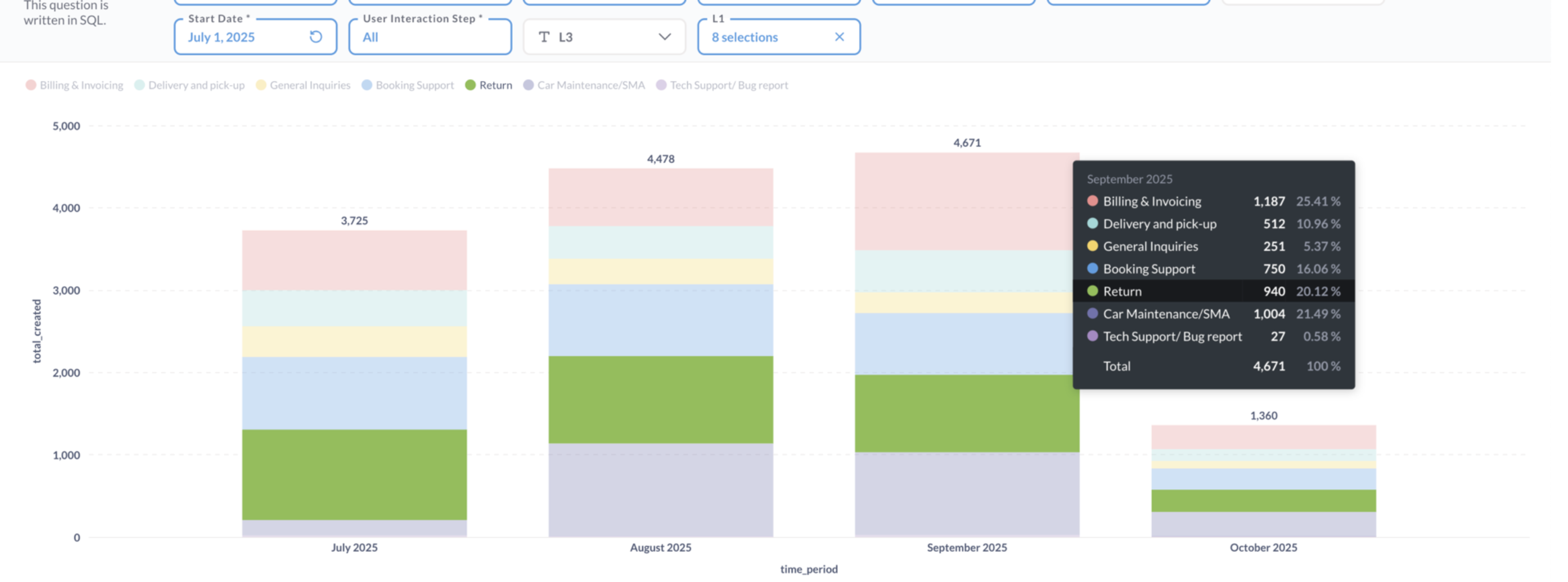
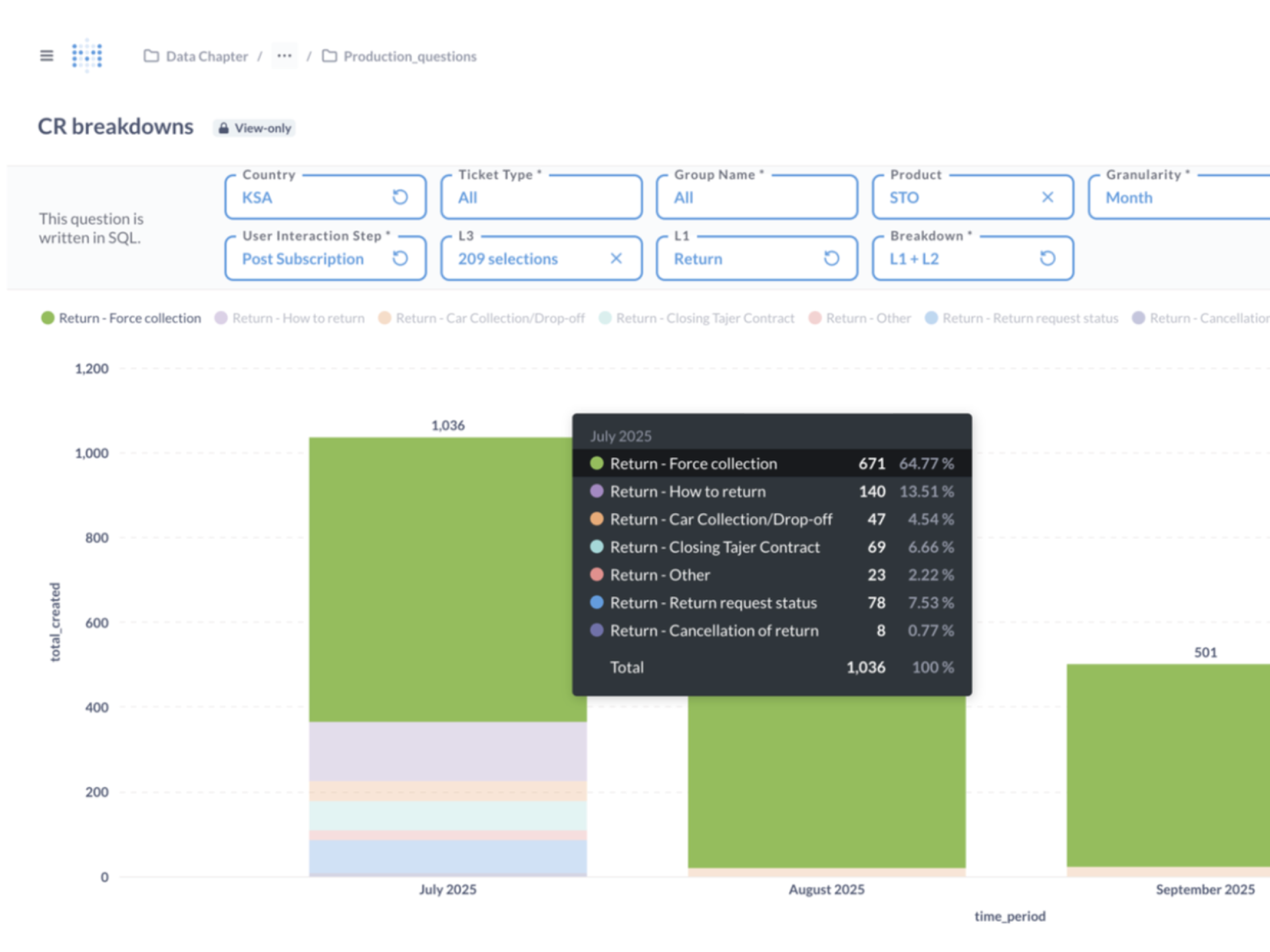
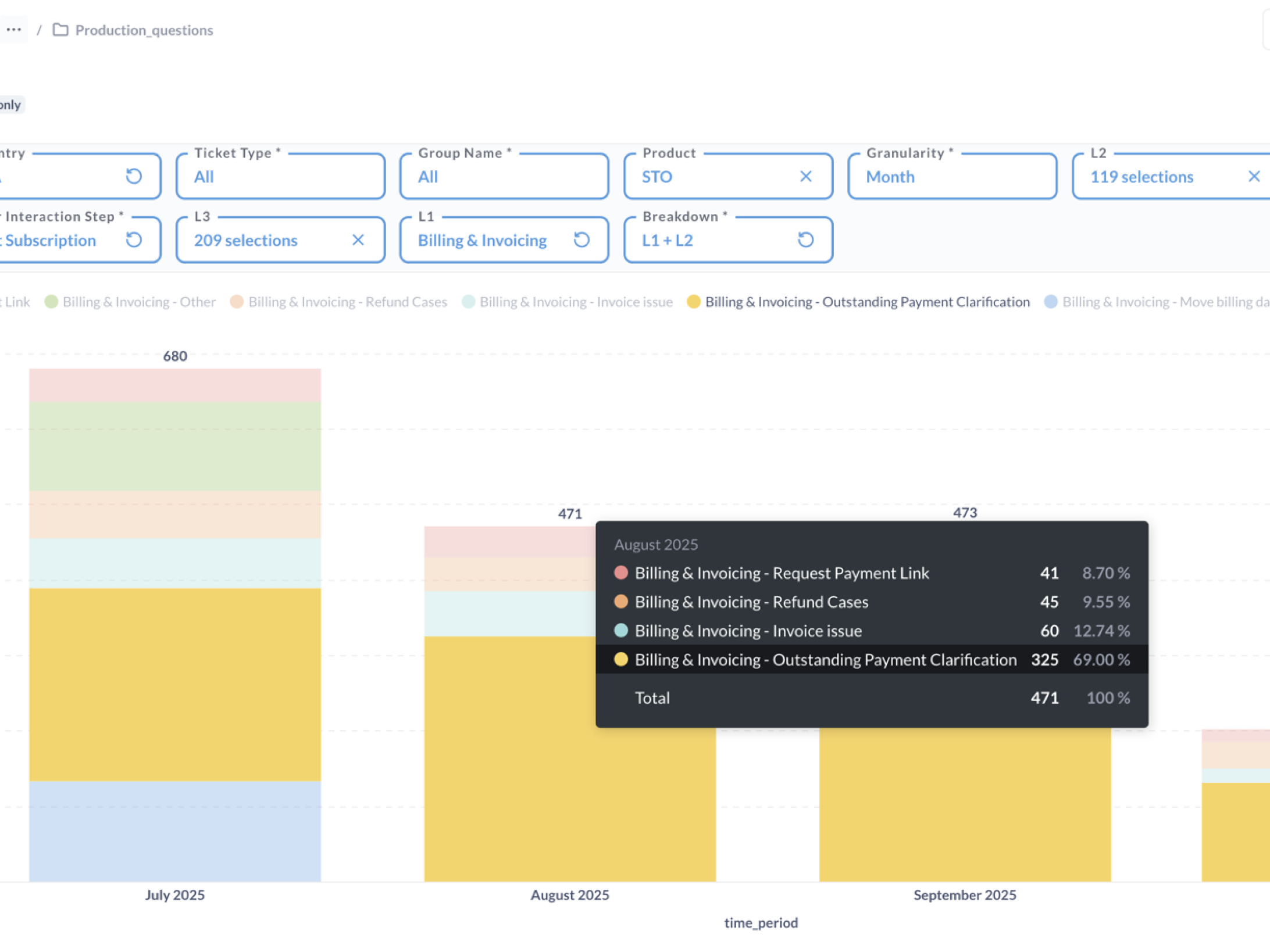
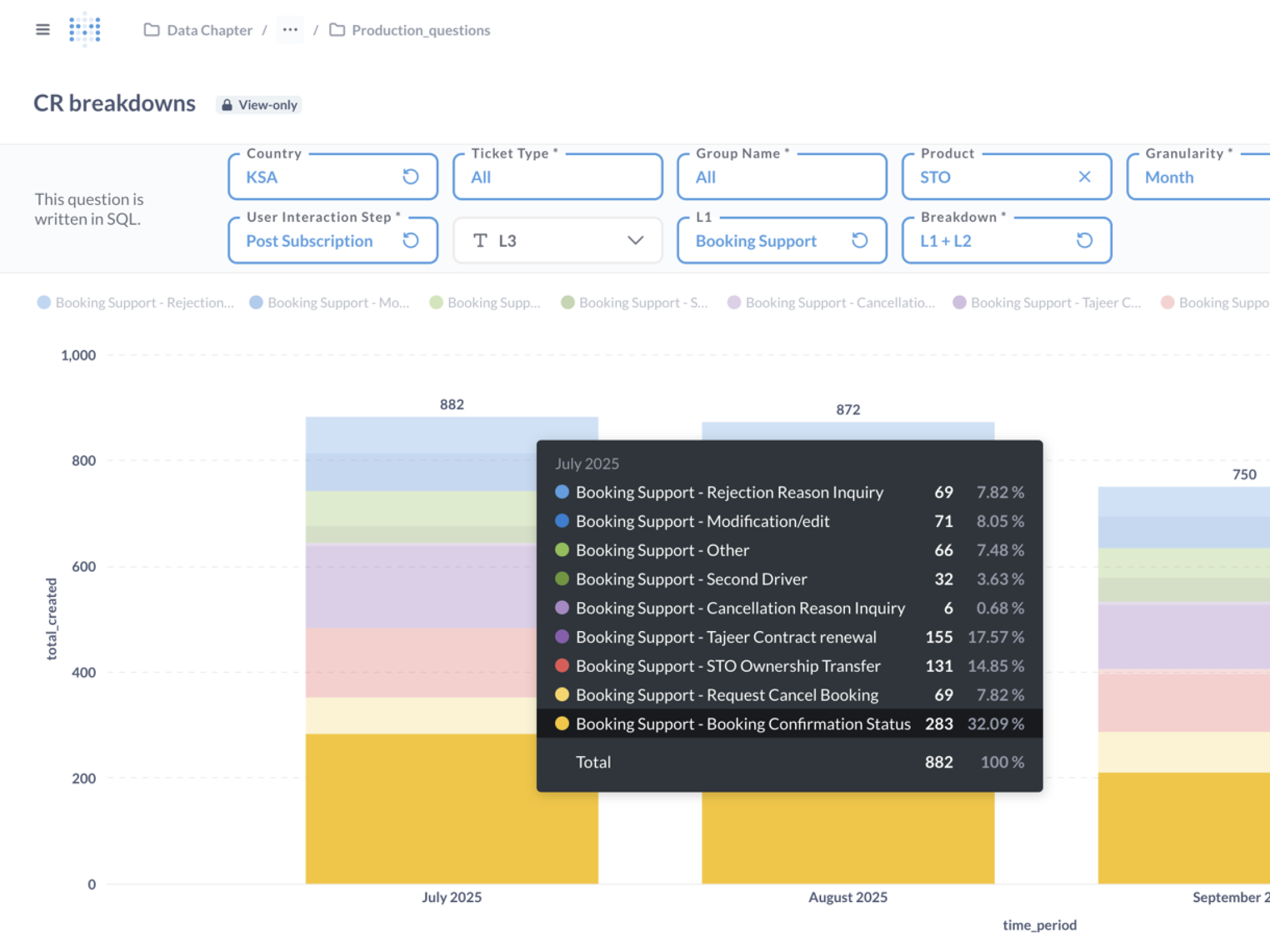
These three areas alone generated ~62% of total CX demand, highlighting a clear, high-leverage opportunity for intervention.
Business Impact
$2.3M+ trapped in outstanding add-on charges
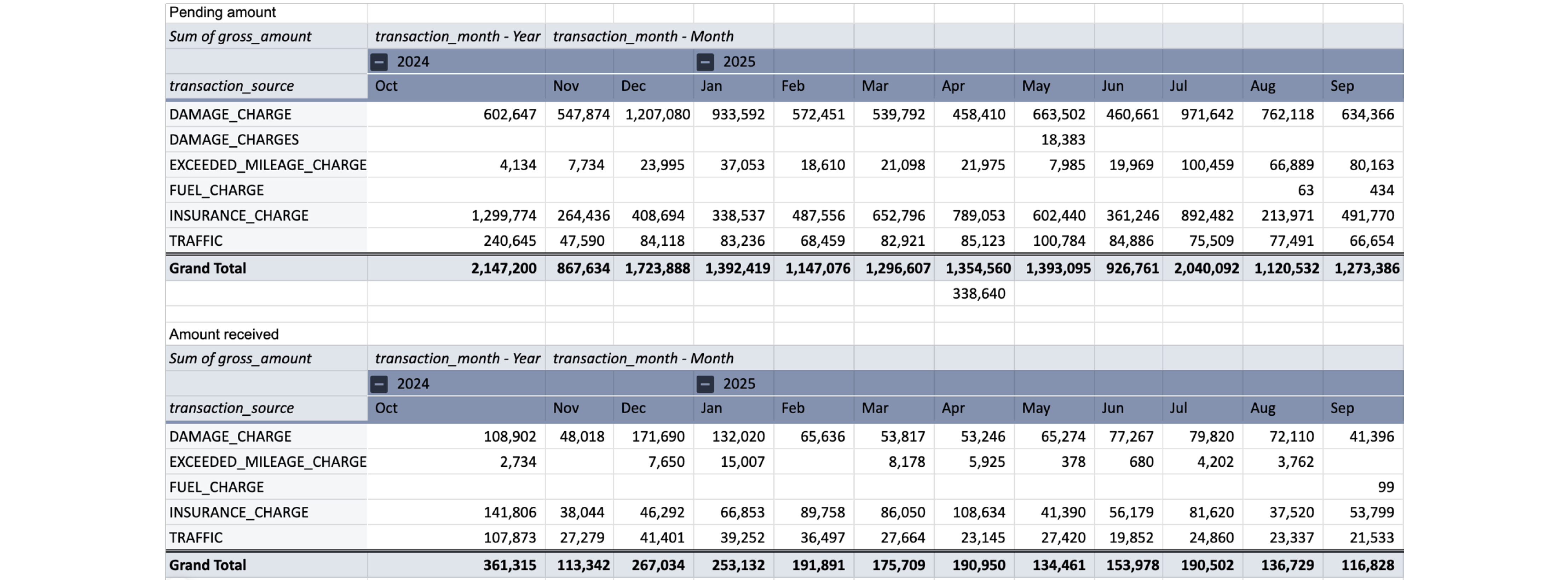
Low payment realization meant the majority of post-booking charges remained unpaid or delayed, turning billing confusion into a recurring revenue-recovery problem.
$30K+/month spent explaining billing issues
Repetitive billing clarification consumed 2,000+ CX and Ops hours every month — roughly $30K+ in avoidable operating cost.
Prioritization
I prioritized opportunities based on customer impact, business impact, root-cause clarity, and product feasibility.
Evaluation criteria
- How often it drove support contacts
- Its impact on revenue
- How clearly we understood the root cause
- Whether it could be solved through product
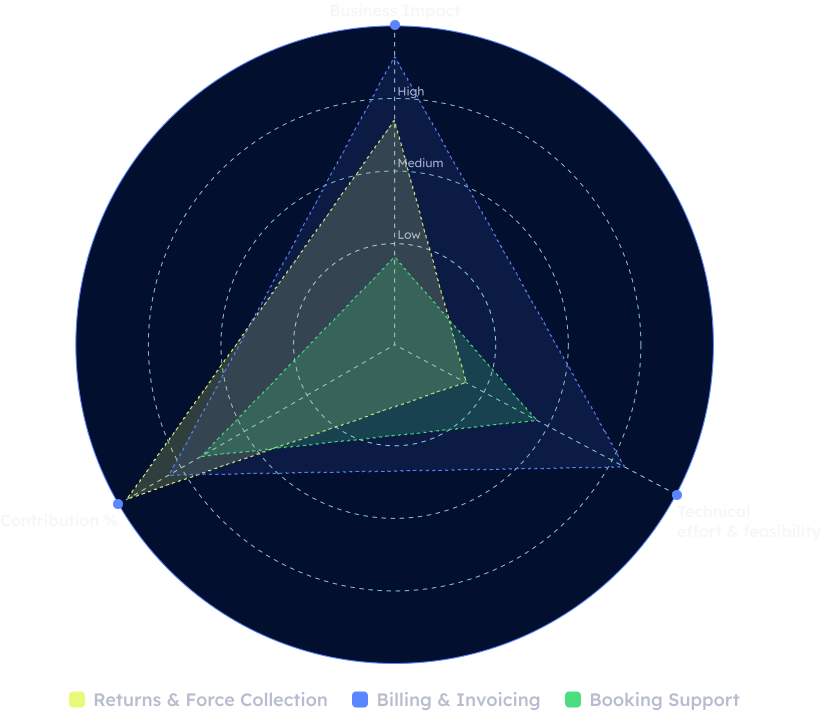
Billing & Invoicing:
- It drove a large share of support tickets
- It directly affected revenue collection
- The issues followed repeatable patterns
- The solution could be built and scaled within the product
Billing & Invoicing offered the strongest combination of customer pain, commercial impact, and product solvability.
User Research
We spoke with customers to understand why billing issues kept turning into disputes.
The data showed us where the problem was. Customer conversations helped us understand why it was happening.
Four questions kept coming up
What happened?
Users struggled to understand what event triggered the charge.
Why was I charged?
The reason a fee applied was often unclear.
How was the amount calculated?
Users lacked visibility into how the final amount was derived.
What evidence supports it?
Supporting proof often surfaced too late or only after contacting CX.
What this caused
- Users disputed charges before they understood them.
- CX became the explanation layer for the product.
- Collection teams often became the first point where the full charge was explained.
Root cause
The problem wasn’t the amount. It was the lack of clarity before payment.
Design insight
The system was designed to collect payments, not to build understanding.
How might we
Enable understanding before payment at scale, without CX dependency.
Solution
Designing for understanding before payment
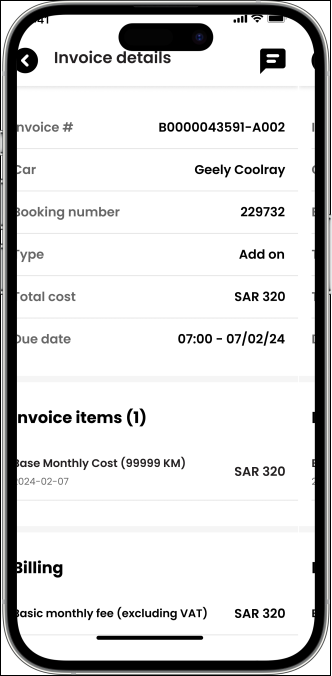
The legacy invoice showed what users owed, but gave little context around why the charge existed or what evidence supported it.
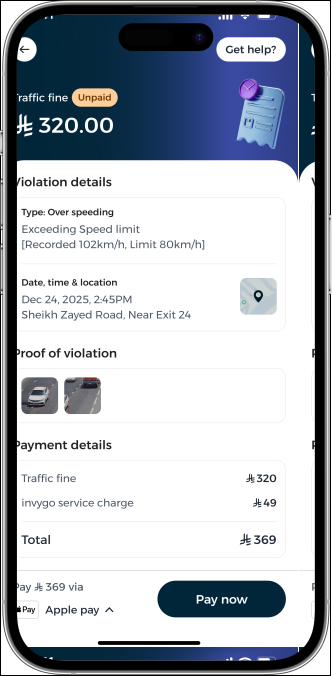
The redesign turned the invoice into a structured explanation combining charge context, violation details, proof, payment breakdown, and action in one place.
- Amount and invoice details only
- Limited explanation of the charge
- No supporting evidence
- Users relied on CX for clarification
 BeforeAfter
drag ⇆ to reveal the redesign
- Explains what happened and why
- Surfaces date, location, and violation details
- Shows proof directly in the flow
- Breaks down the total before payment
- Gives users a clear next action
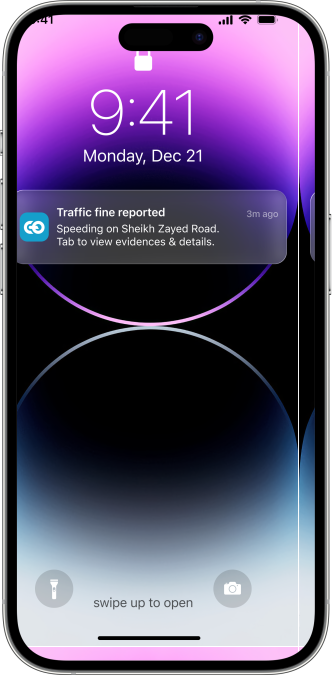
01 — Context before payment
Explain before asking
Before showing the amount due, we clearly notify users what happened and direct them to the relevant details.
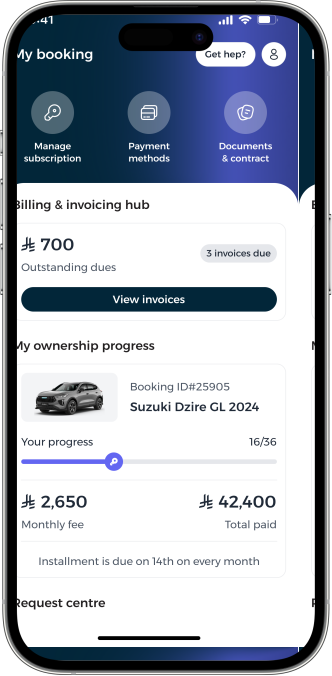
02 — My Booking screen
Bring billing into the booking journey
Users can see outstanding dues in context, alongside their booking and ownership progress.
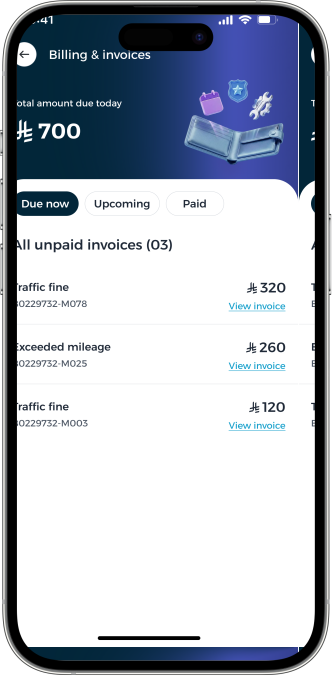
03 — Billing & Invoices Hub
Make charges easy to find
A central billing hub helps users scan unpaid, upcoming, and paid invoices without searching across the app.
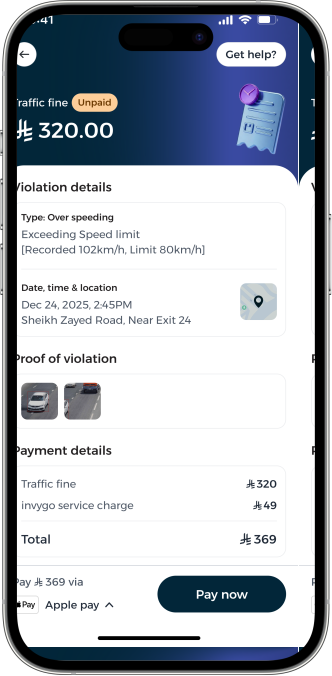
04 — Charge detail screen
From amount to understanding
Each charge now includes the reason, date, location, evidence, and payment breakdown in one place.
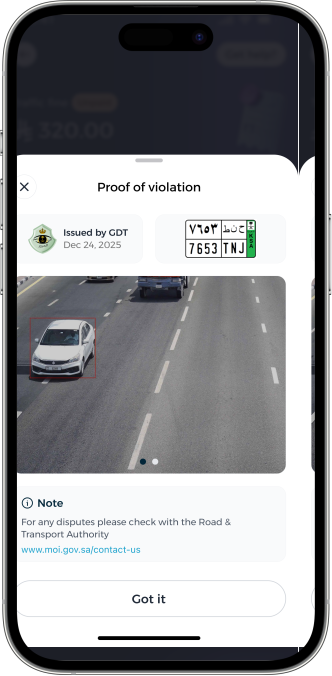
05 — Proof of violation screen
Make evidence visible
Users can review supporting proof directly in the flow, reducing doubt and unnecessary support contact.
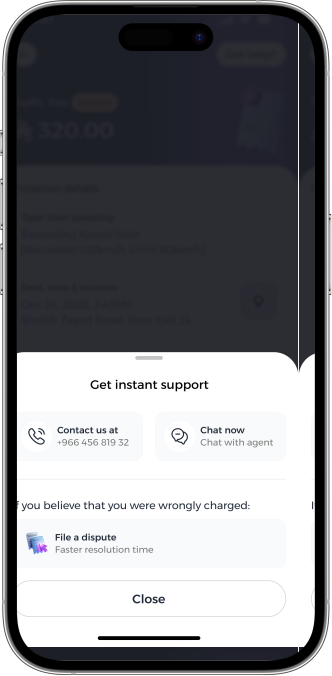
06 — Support entry screen
Offer the right next step
Instead of immediately routing users to CX, we give them a clearer path to either get help or dispute the charge.
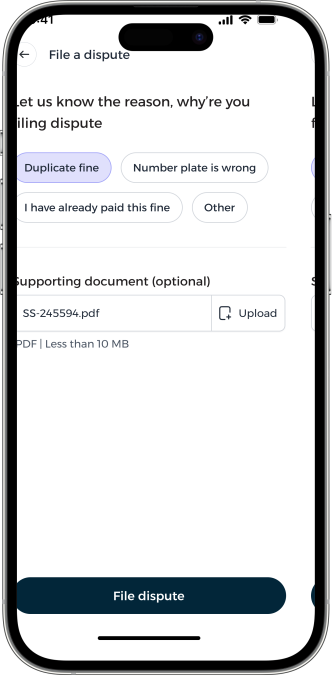
07 — File dispute screen
Guide the dispute
Users can explain the issue through a structured flow, making disputes easier to submit and faster to resolve.
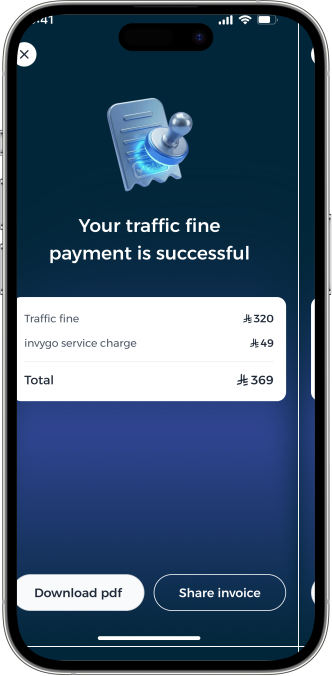
08 — Payment success screen
Close the loop clearly
A clear confirmation screen reassures users that payment is complete and keeps the invoice accessible afterward.
Impact
The redesign reduced support dependency, improved payment recovery, and helped users resolve billing issues with far less manual intervention.
Receivables recovered
42% of $2.3M
Recovered 42% of previously outstanding add-on charges by giving users clearer context, evidence, and payment options.
Billing support
~23% reduction
Fewer users needed to contact CX because they could understand charges and next steps directly in the product.
CX & Ops effort
2,000+ hours/month freed
Teams spent less time repeating billing explanations and more time handling higher-value exceptions.
Collection rate
23% → 51%
Add-on collection improved significantly, contributing $52K+ in additional monthly collections over the latest three months.